Recent publications
This section is updated regularly. For a list of all publications please check below
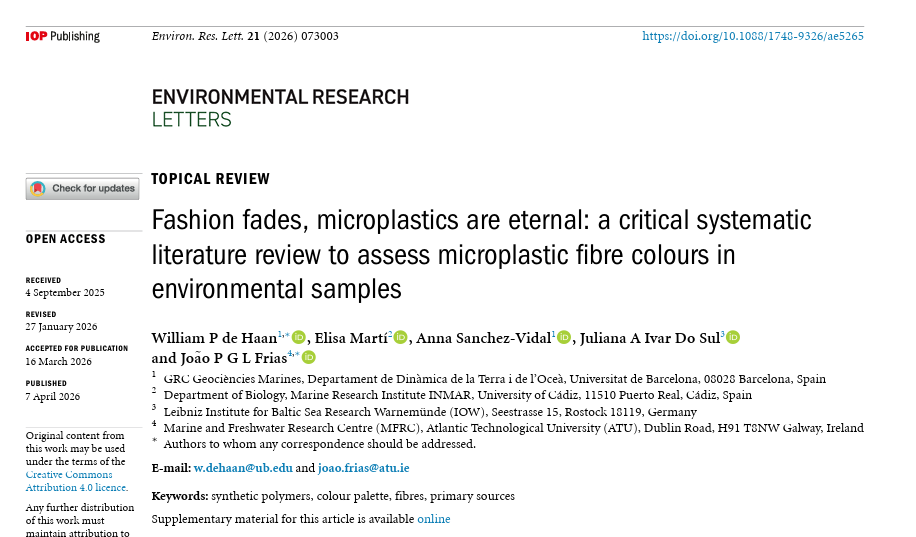
(2026) Fashion fades, microplastics are eternal: a critical systematic literature review to assess microplastic fibre colours in environmental samples
Abstract
Microplastic pollution is a growing environmental concern that requires assessment of a range of parameters. Colour remains a largely overlooked parameter in environmental monitoring, yet a potentially important one from a biological perspective. This systematic review covers 80 peer-reviewed studies published between 2000 and 2020, and addresses microplastic fibres colours across diverse environmental compartments: air, water, sediment and biota. Our analysis reveals that transparent/translucent (T&T), blue, black, and white fibres are the most frequently reported colours globally, with notable variation across environmental compartments and geographical regions. Blue fibres were predominant in biota (32.8%) and water (28.3%), while T&T fibres were prevalent in sediments (35.2%), and yellow fibres in air (27.4%). Europe and Asia showed the highest colour variability. Spatial patterns emerged with blue fibres more commonly reported in North and South America and Oceania, and red and green fibres being predominant in the African continent. No link was found between fashion colour trends and fibre colours in the environment. Our findings highlight data gaps in methodologies and reporting, particularly in distinguishing between synthetic and natural fibres. Given the relevance of colour in ecological interactions and in pollutants traceability, employing standardised colour categorisation methodologies can improve the reliability of environmental monitoring efforts.
(2026) Investigating the driving factors of marine litter and microplastic accumulation on beaches in the West of Ireland
Abstract
Marine litter (ML) and microplastics (MPs) are contaminants of emerging concern threatening coastal ecosystems. This preliminary study assessed the accumulation of ML and MPs at two beaches (Fanore and Silverstrand beaches) on the West coast of Ireland, over three consecutive days in July 2024. Sampling was conducted along the spring and lower high tide lines (AC1 and AC2) and outside the accumulation area (OAC), following adapted OSPAR guidelines for marine litter. Marine litter items were categorised by type and size, while MPs were extracted from sediments and analysed using visual inspection and Fourier-Transform Infrared Spectroscopy (FTIR). Fanore consistently exhibited higher ML and MP accumulation compared to Silverstrand. While day variations in litter abundance were observed, statistical tests showed no statistical significant differences in total ML abundance or type distribution between beaches. Despite this, Fanore revealed a 48 % increase in ML accumulation overall. Microplastic concentrations were also significantly higher at Fanore, particularly in AC2. Ropes, fragments and fibres were the dominant litter and MP types, suggesting marine based-sources. Variability in MP concentrations, particularly at Fanore, reflects the influence of local geomorphology and hydrodynamics playing a more relevant role in accumulation. These preliminary findings underscore the need to assess accumulation rates while monitoring ML and MPs, particularly when reporting data for descriptor 10 of the Marine Strategy Framework Directive.
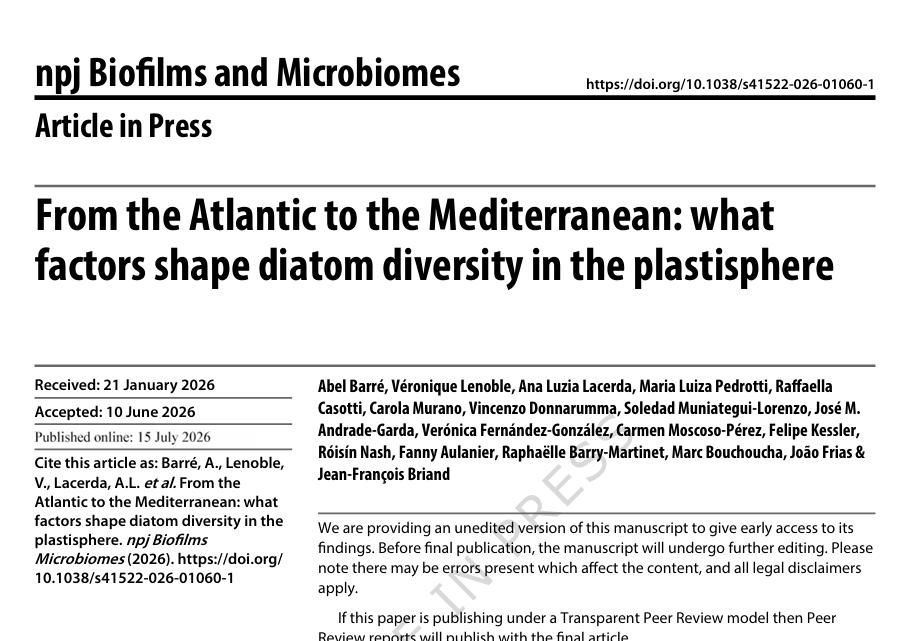
(2026) From the Atlantic to the Mediterranean: what factors shape diatom diversity in the plastisphere
Abstract
Plastic substrates are ubiquitously colonized by complex microbiomes, referred to as the plastisphere. Diatoms, despite being considered the main autotrophic taxa and key early colonizers involved in biofilms, currently remain poorly studied compared to other microbes plastic pieces were immersed in coastal systems at six locations across five countries in the Atlantic Ocean and the Mediterranean Sea. Spatial and seasonal dynamics of plastic-attached diatom communities were investigated by incubating polyethylene (HDPE) at all sites for 84 days. Temporal dynamics at each season were also investigated using HDPE, polypropylene, and polystyrene in Toulon only (North-Western Mediterranean Sea). Using amplicon sequencing of the rbcL gene, geographic location appears to be the primary driver of diatom diversity, followed by season and incubation time, with intra-site variations always smaller than those between sites. Intra-site variations were mostly due to relative abundance changes, while inter-site variations corresponded to shifts between species. Biofilms from the Atlantic shared neither species nor ASVs, whereas biofilms from the Mediterranean shared 5 species and 5% of reads. Pioneer taxa changed depending on the season, while mature taxa tended to converge irrespective of the season. Finally, the nature of conventional plastics plays a minor role in shaping the diatom community, as shown previously for heterotrophs in the plastisphere. Overall, the shaping of diatom communities in biofilms could be observed at different taxonomic levels, down to the genetic variant, highlighting the extent to which genetic divergence occurs. Finally, potential ecological consequences of diatom presence and diversity in the plastisphere are discussed.

2020s
-
![Barré et al., 2026]()
Barré et al., 2026
From the Atlantic to the Mediterranean: what factors shape diatom diversity in the plastisphere
-
![]()
De Haan et al., 2026
Fashion fades, microplastics are eternal: a critical systematic literature review to assess microplastic fibre colours in environmental samples
-
![]()
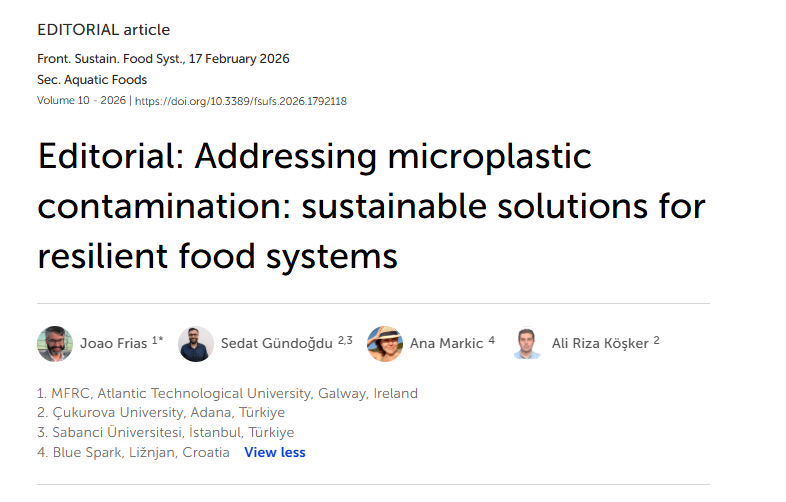
Frias et al., 2026
Editorial: Addressing microplastic contamination: sustainable solutions for resilient food systems
-
![A field of white daisies with yellow centers, some in bloom and some in bud, during golden hour.]()
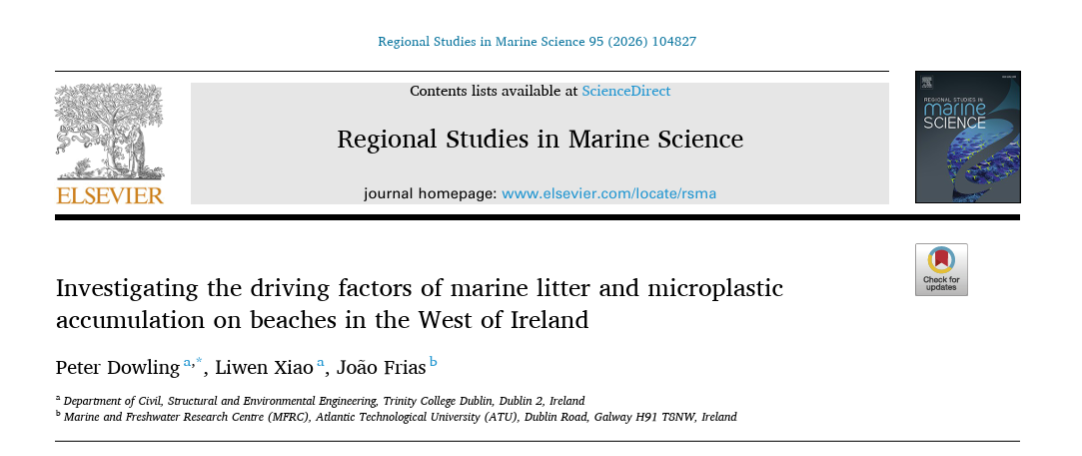
Dowling, Xiao and Frias, 2026
Investigating the driving factors of marine litter and microplastic accumulation on beaches in the West of Ireland
-
![]()
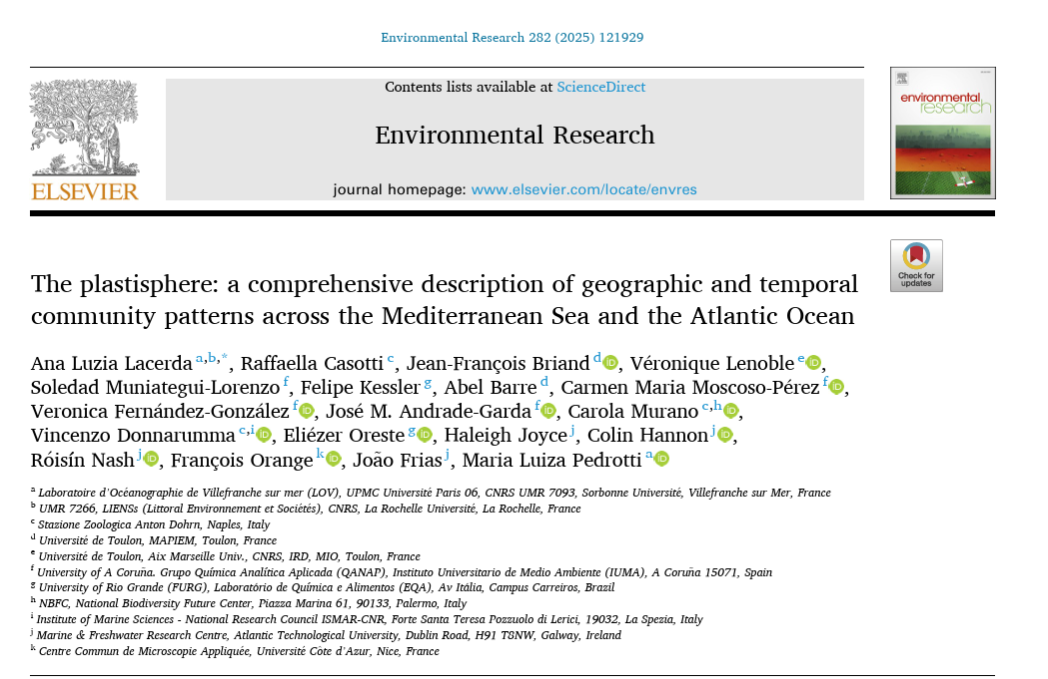
Lacerda et al., 2025
Description goes The plastisphere: a comprehensive description of geographic and temporal community patterns across the Mediterranean Sea and the Atlantic Oceanhere
-
![]()
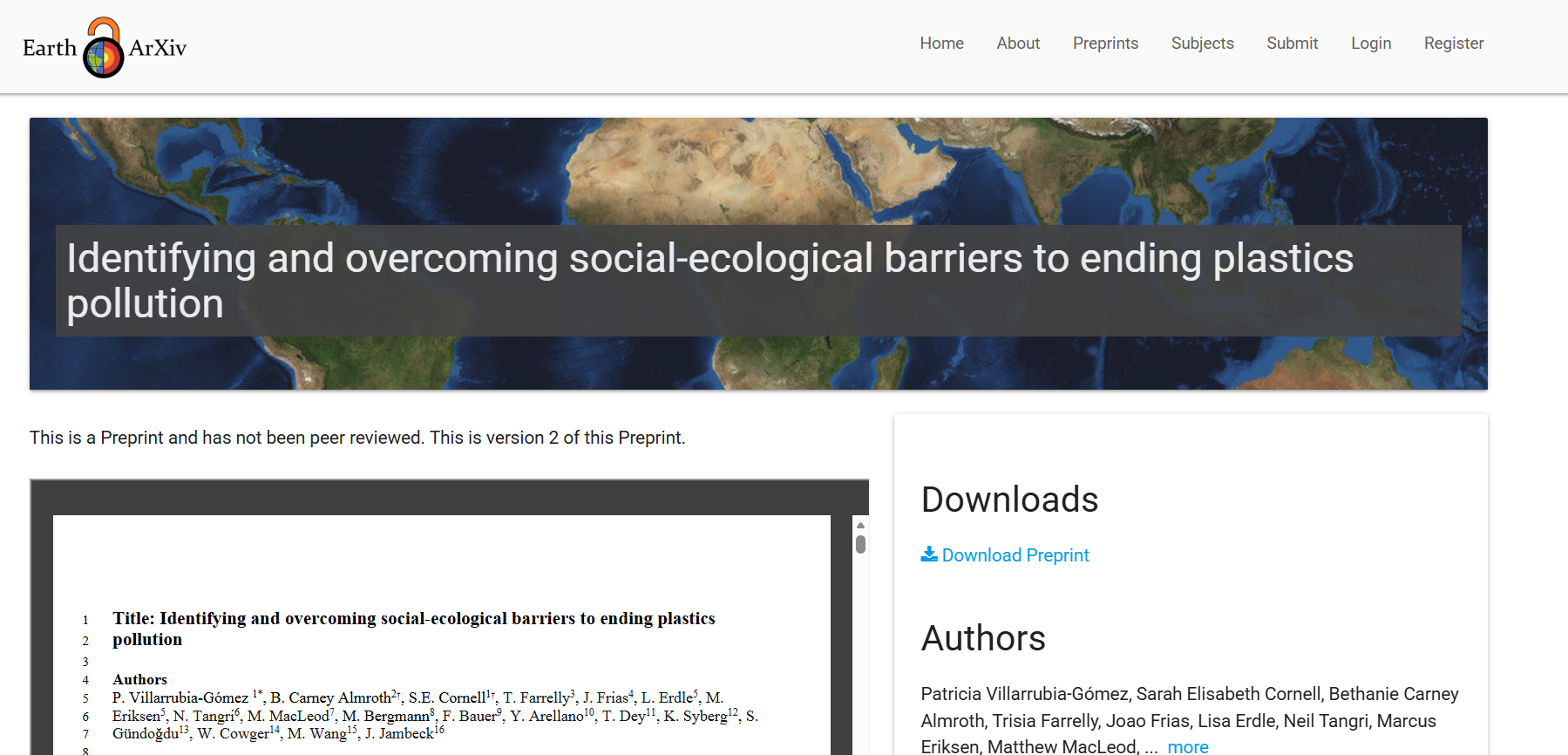
Villarubia-Goméz et al., 2025
Identifying and overcoming social-ecological barriers to ending plastics pollution
-
![]()
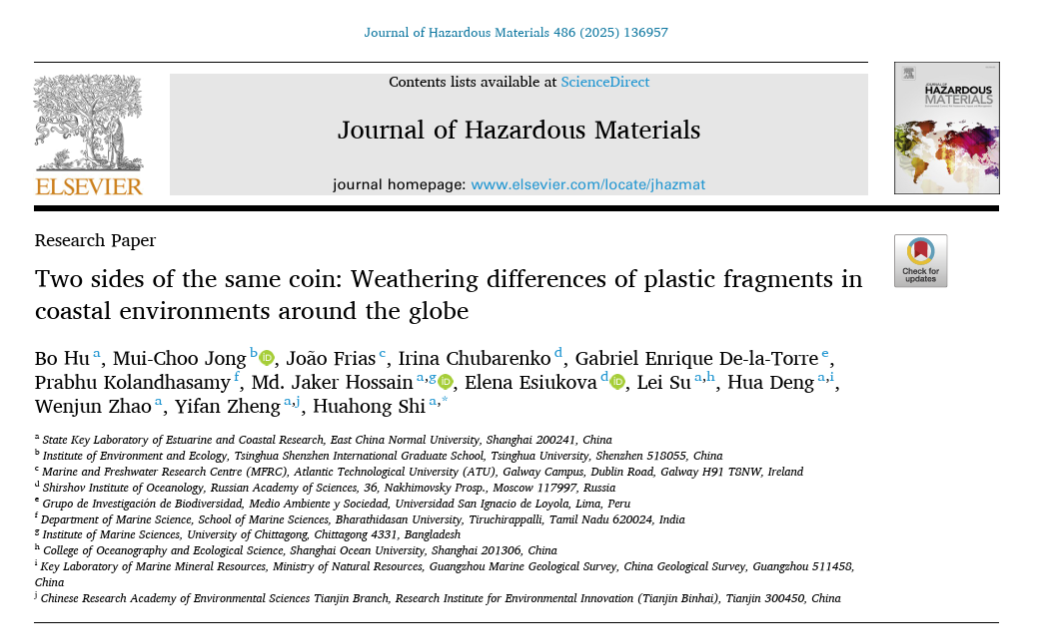
Hu et al., 2025
Two sides of the same coin: Weathering differences of plastic fragments in coastal environments around the globe
-
![]()
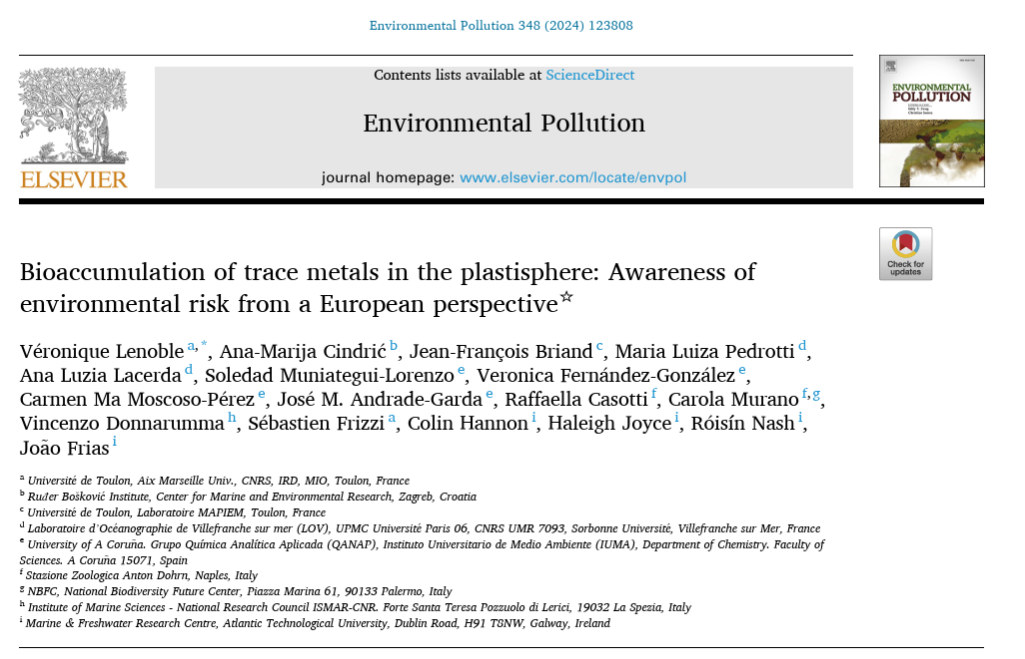
Lenoble et al., 2024
Description goes hereBioaccumulation of trace metals in the plastisphere: Awareness of environmental risk from a European perspective
-
![]()
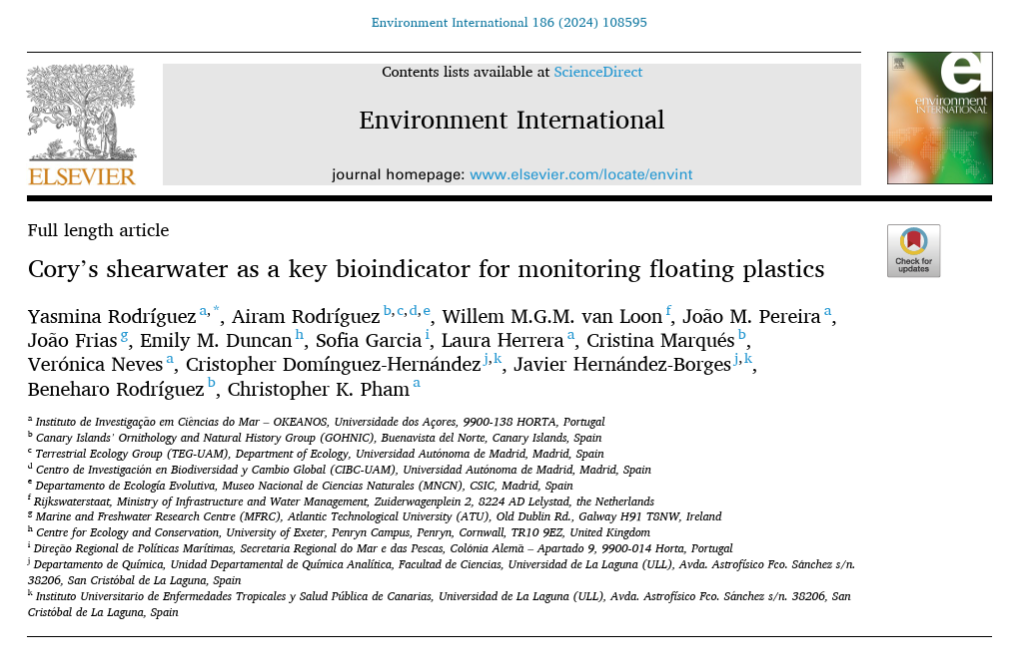
Rodríguez et al., 2024
Cory's shearwater as a key bioindicator for monitoring floating plastics
-
![]()
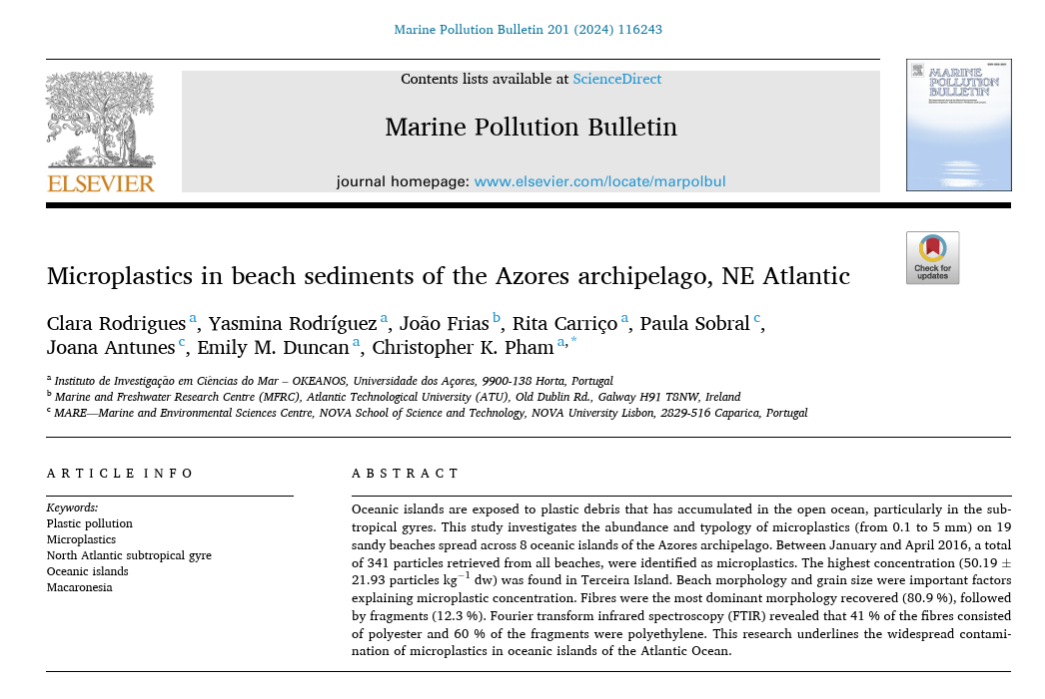
Rodrigues et al., 2024
Microplastics in beach sediments of the Azores archipelago, NE Atlantic
-
![]()
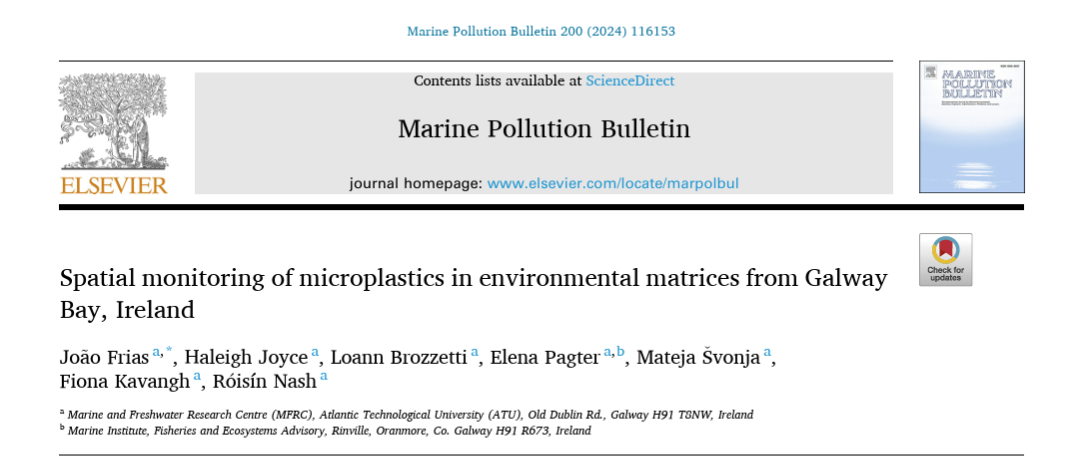
Frias et al., 2024
Spatial monitoring of microplastics in environmental matrices from Galway Bay, Ireland
-
![]()
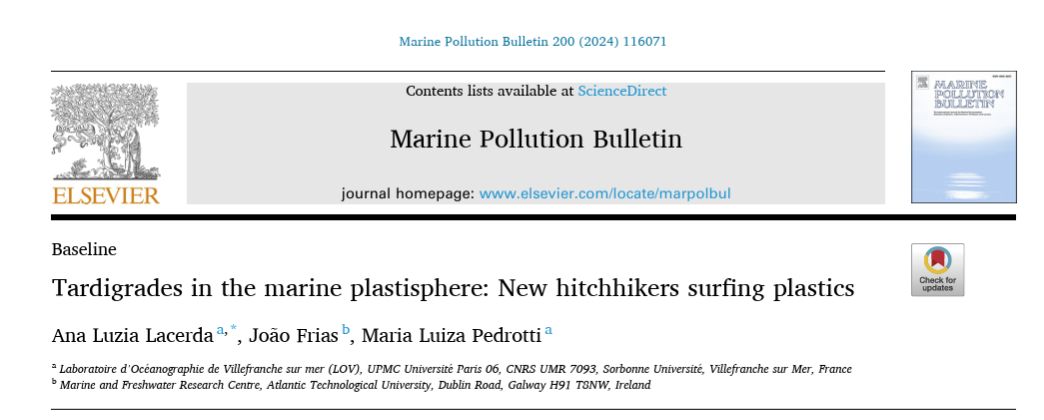
Lacerda et al., 2024
Tardigrades in the marine plastisphere: New hitchhikers surfing plastics
-
![]()
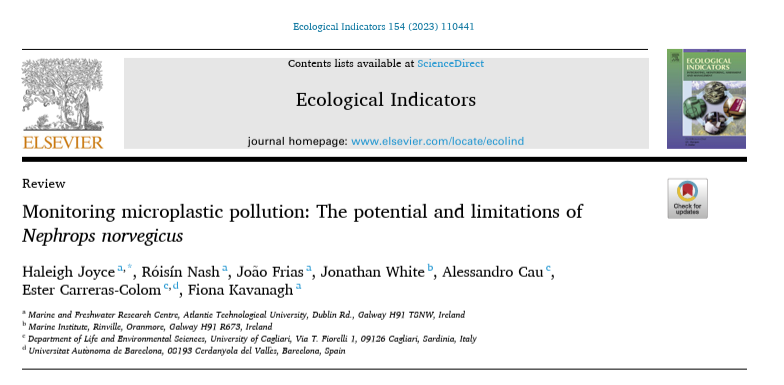
Joyce et al., 2023
Monitoring microplastic pollution: The potential and limitations of Nephrops norvegicus
-
![]()
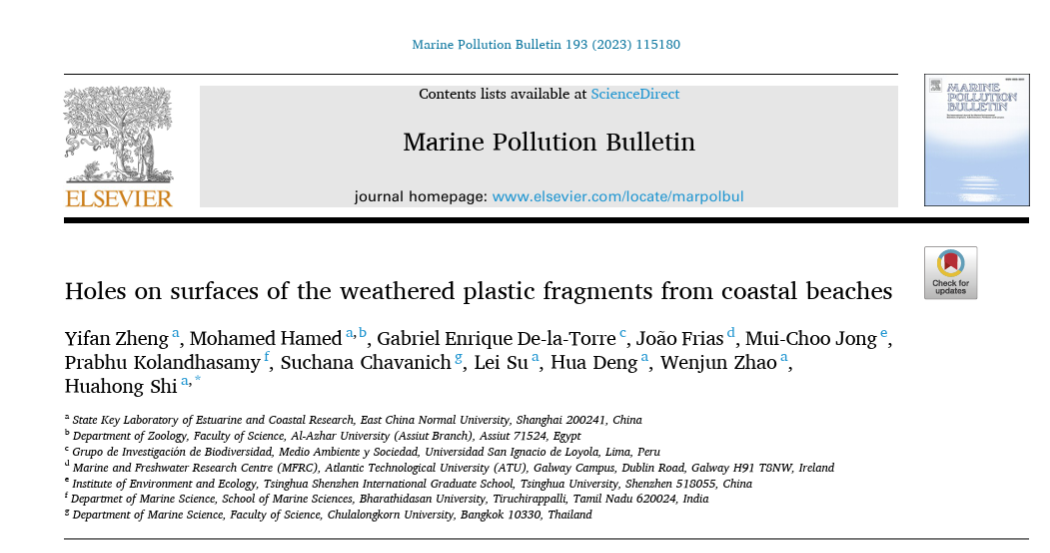
Zheng et al., 2023
Holes on surfaces of the weathered plastic fragments from coastal beaches
-
![]()
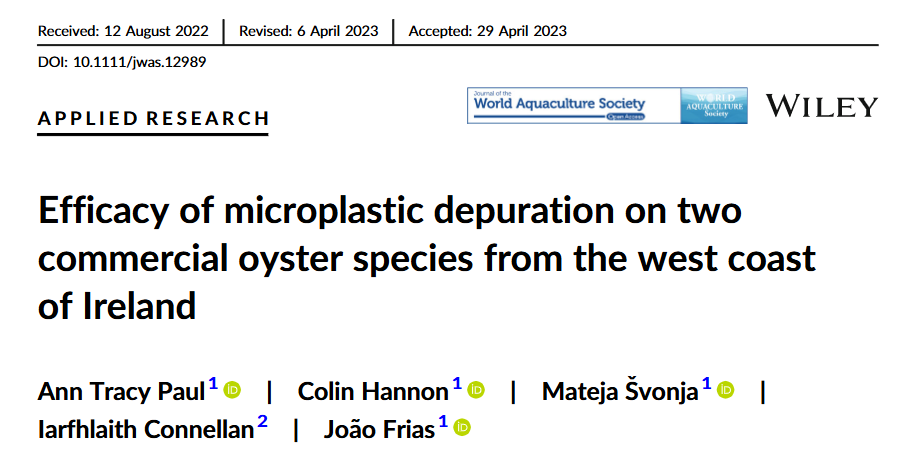
Paul et al., 2023
Efficacy of microplastic depuration on twocommercial oyster species from the west coastof Ireland
-
![]()
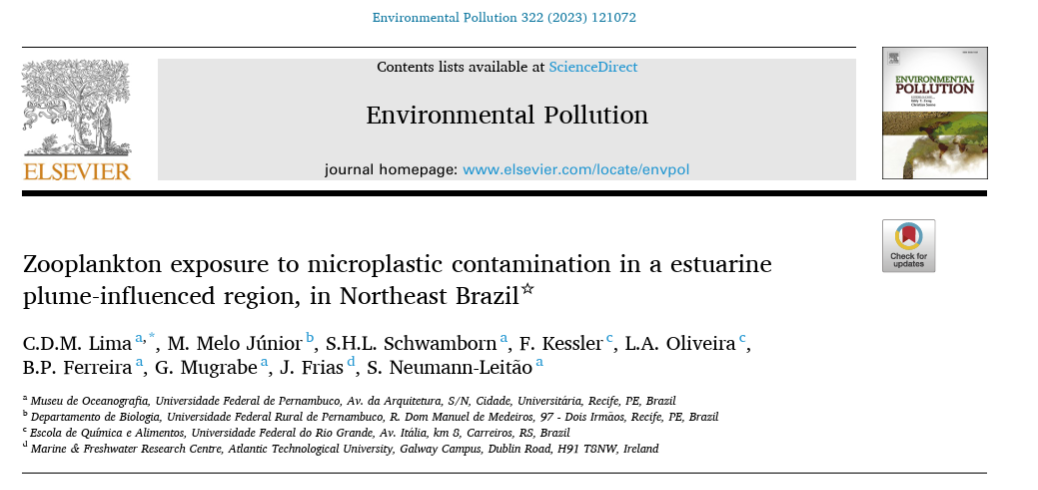
Lima et al., 2023
Zooplankton exposure to microplastic contamination in a estuarine plume-influenced region, in Northeast Brazil
-
![]()
Nash et al., 2022
Deep Sea Microplastic Pollution Extends Out to Sediments in the Northeast Atlantic Ocean Margins
-
![]()
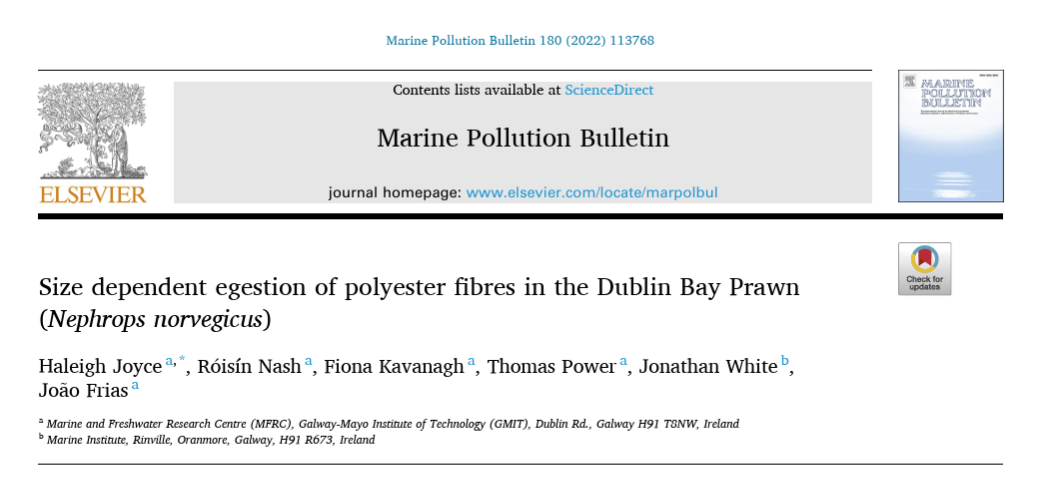
Joyce et al., 2022a
Size dependent egestion of polyester fibres in the Dublin Bay Prawn (Nephrops norvegicus)
-
![]()
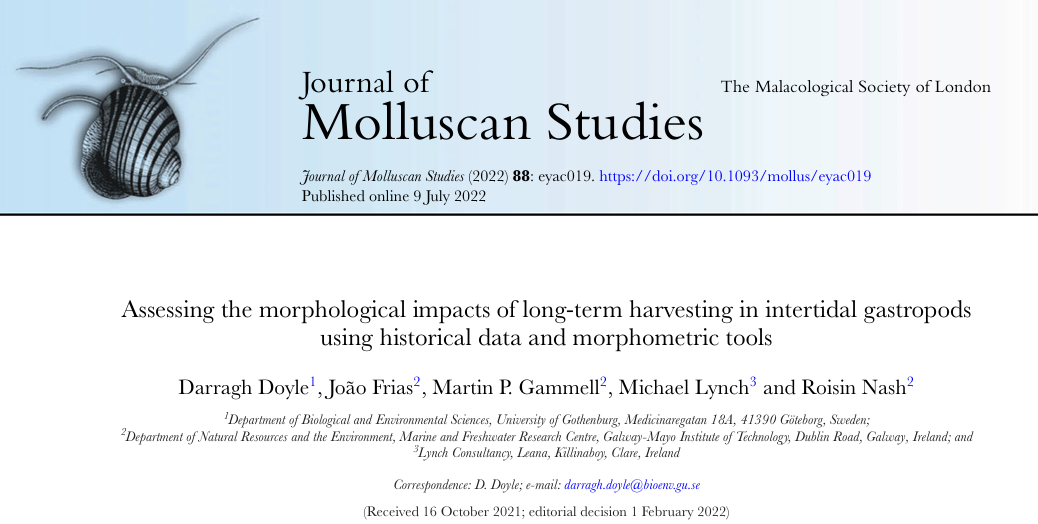
Doyle et al., 2022
Assessing the morphological impacts of long-term harvesting in intertidal gastropods using historical data and morphometric tools
-
![]()
Joyce et al., 2022b
Plastics, prawns, and patterns: Microplastic loadings in Nephrops norvegicus and surrounding habitat in the North East Atlantic
-
![]()
Pagter et al., 2021
Assessing microplastic distribution within infaunal benthic communities in a coastal embayment
-
![]()
Yamashita et al., 2021
Plastic additives and legacy persistent organic pollutants in the preen gland oil of seabirds sampled across the globe
-
![]()
Pagter et al., 2020a
Differences in microplastic abundances within demersal communities highlight the importance of an ecosystem-based approach to microplastic monitoring
-
![]()
Pagter et al., 2020b
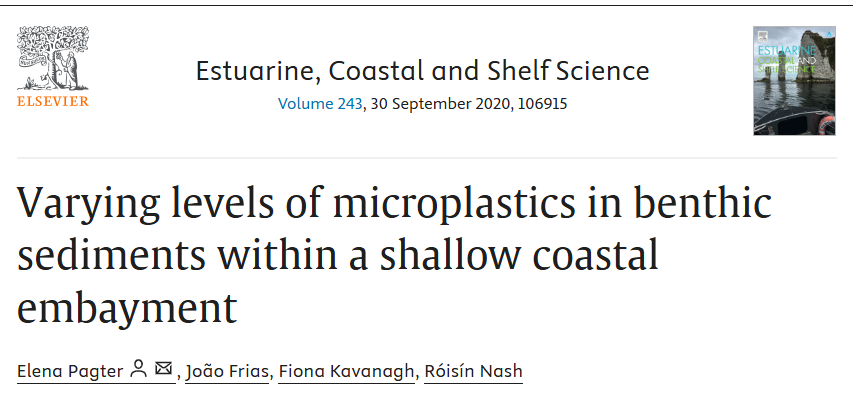
Varying levels of microplastics in benthic sediments within a shallow coastal embayment
-
![]()
Frias et al., 2020
Floating microplastics in a coastal embayment: A multifaceted issue
-
![]()
Pham et al., 2020
Beaches of the Azores archipelago as transitory repositories for small plastic fragments floating in the North-East Atlantic
-
![]()
Hara et al., 2020
Quantification of microplastic ingestion by the decapod crustacean Nephrops norvegicus from Irish waters
-
![]()
Doyle et al., 2020
Current environmental microplastic levels do not alter emergence behaviour in the intertidal gastropod Littorina littorea

2010s
-
![]()
Doyle et al., 2019
Low levels of microplastics recorded from the common periwinkle, Littorina littorea on the west coast of Ireland
-
![]()
Kanhai et al., 2019
Deep sea sediments of the Arctic Central Basin: A potential sink for microplastics
-
![]()
Frias and Nash, 2019
Microplastics: Finding a consensus on the definition
-
![]()
Pagter et al., 2018
Microplastics in Galway Bay: A comparison of sampling and separation methods
-
![]()
Rios et al., 2019
Spatio-temporal variability of beached macro-litter on remote islands of the North Atlantic
-
![]()
Antunes et al., 2018
Microplastics on the Portuguese coast
-
![]()
Bessa et al., 2018
Occurrence of microplastics in commercial fish from a natural estuarine environment
-
![]()
Pham et al., 2017
Plastic ingestion in oceanic-stage loggerhead sea turtles (Caretta caretta) off the North Atlantic subtropical gyre
-
![]()
Frias et al., 2016
Microplastics in coastal sediments from Southern Portuguese shelf waters
-
![]()
Frias et al., 2014
Evidence of microplastics in samples of zooplankton from Portuguese coastal waters
-
![]()
Antunes et al., 2013
Resin pellets from beaches of the Portuguese coast and adsorbed persistent organic pollutants
-
![]()
Frias et al., 2010
Organic pollutants in microplastics from two beaches of the Portuguese coast









Reports, policy briefs and book chapters
-
![]()
Barboza et al., 2018
Microplastics Pollution in the Marine Environment
-
![]()
Frias and Nash 2020
Perceptions About Marine Anthropogenic Litter & Microplastic Pollution in Ireland
-
![]()
Bhashyam et al., 2021
Microplastics in the marine environment: Sources, Impacts & Recommendations
-
![]()
Frias and Nash, 2021
Case study: Plastics in the Marine Environment
-
![]()
Frias, 2022
Sorption of Potentially Toxic Elements to Microplastics
-
![]()
Frias and Nash 2022
Methodologies to Assess Microplastics in the Anthropocene
-
![]()
Frias, Muller and Capuano
Plastic pollution and the plastisphere: findings and recommendations
-
![]()
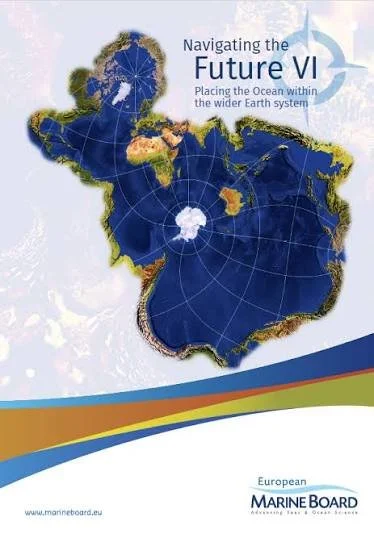
Gilles et al., 2024
Navigating the Future VI: Placing the Ocean within the wider Earth system
-
![]()
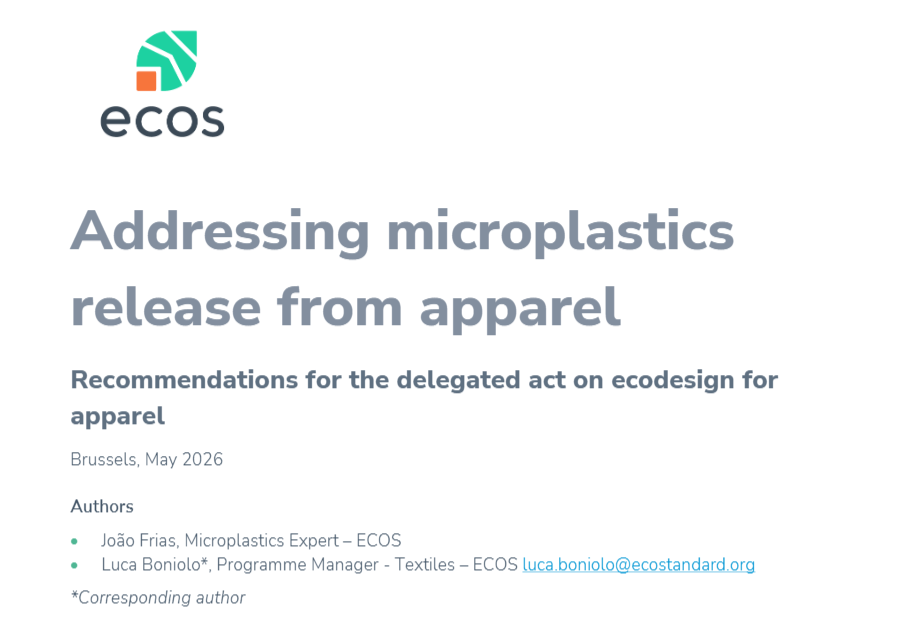
Frias and Boniolo, 2026
Addressing microplastics release from apparel
-
![]()
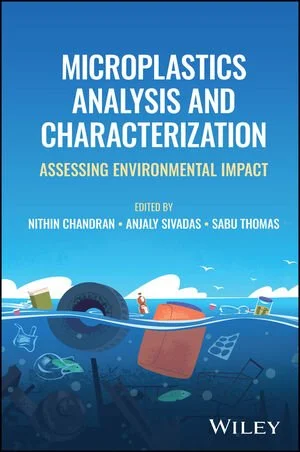
Frias, 2026
Microplastic Collection and Sampling Techniques
Student supervision
Dara Kennedy (2026) - 4th year project
Abigail Wilkinson (2026) - 4th year project
Emma Kilbane (2026) - MSc project
Miren Rodriguez (2026) - MSc project
Miguel Fernandez (2026) - MSc project
Alice Thuault-Bénéteau (2026) - MSc internship
Nathan Matthews (2026) - 3rd year internship
Conor McHugh (2025) - MSc project
Carolina Machado Silva (2024) - MSc internship
Rita Castro (2024) - PhD Internship
Lokesh Pawar (2024) - MSc internship
Gift Samuel (2024) - MSc internship
Elisabeth Boucheron (2024) - MSc internship
Haleigh Joyce (2023) - PhD student
Liam de Haan (2023) - PhD internship
Loann Brozzetti (2023) - MSc internship
Thomas Power (2023) - MSc internship
Sibéal Alliot (2023) - MSc internship
Katelyn Hegarty-Kelly (2022) - 4th year project
Cillian O’Reilly (2022) - 3rd year internship
Darragh Doyle (2021) - PhD student
Sindhura Stothra Bhashyam (2020) - MSc project
Elena Pagter (2020) - PhD student
Jenevieve Hara (2020) - MSc internship
Davi Munhoz (2019) - MSc internship
Haleigh Joyce (2019) - MSc internship
Elena Pagter (2017) - MSc internship
Gabriel Barboza (2014) - PhD internship
Joana Antunes (2009) - MSc internship